What if your next career could start with a CDL?
For many people, earning a Commercial Driver’s License is more than getting behind the wheel of a truck. It can be the beginning of a career path into one of the largest and most important industries in America: transportation and logistics.
Every day, trucks move food, medical supplies, construction materials, consumer products, manufacturing components, and other essential goods across the country. According to the U.S. Bureau of Labor Statistics, there were approximately 2.2 million heavy and tractor-trailer truck driver jobs in 2025, and employment is projected to grow 4% from 2025 to 2035. BLS also projects approximately 214,500 openings per year, on average, over that period.
For someone considering a career change, that makes CDL training worth exploring.
Your CDL Can Be the Beginning—Not the End—of Your Career
One of the biggest misconceptions about truck driving is that earning a CDL means you have only one career option.
The transportation industry is much broader.
Your CDL can help you explore different types of commercial driving and transportation careers, including:
Local delivery driving
Regional trucking
Long-haul trucking
Freight transportation
Specialized hauling
Tanker operations
Construction transportation
Heavy equipment transportation
Dedicated routes
Private fleet driving
Team driving
Owner-operator opportunities
Transportation and fleet management
The specific requirements, endorsements, experience, and compensation vary by position.
That means your CDL can be viewed as a foundation for building a transportation career.
Can Truck Drivers Make Six Figures?

Yes, some transportation professionals can earn $100,000 or more—but six-figure income is not guaranteed simply because you earn a CDL.
The U.S. Bureau of Labor Statistics reports that the median annual wage for heavy and tractor-trailer truck drivers was $58,640 in May 2025, while the highest 10% earned more than $79,380. Pay varies based on factors such as industry, location, experience, type of freight, compensation structure, and the employer.
Some drivers pursue higher-income opportunities by building experience and moving into specialized areas of transportation.
Potential paths can include:
Specialized Trucking
Specialized transportation can involve moving oversized, heavy, valuable, or otherwise specialized cargo.
These positions can require additional training, experience, endorsements, specialized equipment knowledge, and greater responsibility.
Tanker and Specialized Freight
Drivers transporting certain types of liquids or specialized cargo may need additional endorsements and training.
The additional qualifications can expand the types of transportation positions a driver can pursue.
Long-Haul and Team Driving
Some long-haul and team-driving positions offer compensation structures that differ from local driving jobs.
Drivers should carefully compare pay, mileage, bonuses, home-time policies, benefits, expenses, and other employment terms before accepting a position.
Owner-Operator
An experienced driver may eventually consider becoming an owner-operator.
This can create the potential for higher gross revenue, but it also means taking on significant business expenses and responsibilities—including equipment costs, maintenance, insurance, fuel, taxes, permits, and finding or maintaining customers.
Gross revenue is not the same as personal income.
Understanding the business side is essential before choosing this path.
Build Your Career One Step at a Time
You don’t have to start at the top.
A transportation career can develop over time.
Step 1: Choose Your CDL Path
Determine whether a Class A or Class B CDL aligns with the type of commercial vehicle and career you want to pursue.
Step 2: Get Professional Training
Attend a structured CDL training program where you can develop knowledge and practical driving skills.
Step 3: Earn Your CDL
Complete the applicable requirements and work toward obtaining your commercial driver’s license.
Step 4: Start Building Experience
Your first transportation job can provide valuable experience on the road and help you learn what type of driving environment works best for you.
Step 5: Expand Your Qualifications
As your career develops, you can explore additional endorsements, specialized transportation opportunities, and other career paths.
Step 6: Pursue Your Long-Term Career Goals
With experience and additional qualifications, you can explore more advanced opportunities within transportation.
Your first CDL job doesn’t have to be your last transportation job.
Why CDL Training Matters
Professional truck driving carries significant responsibility.
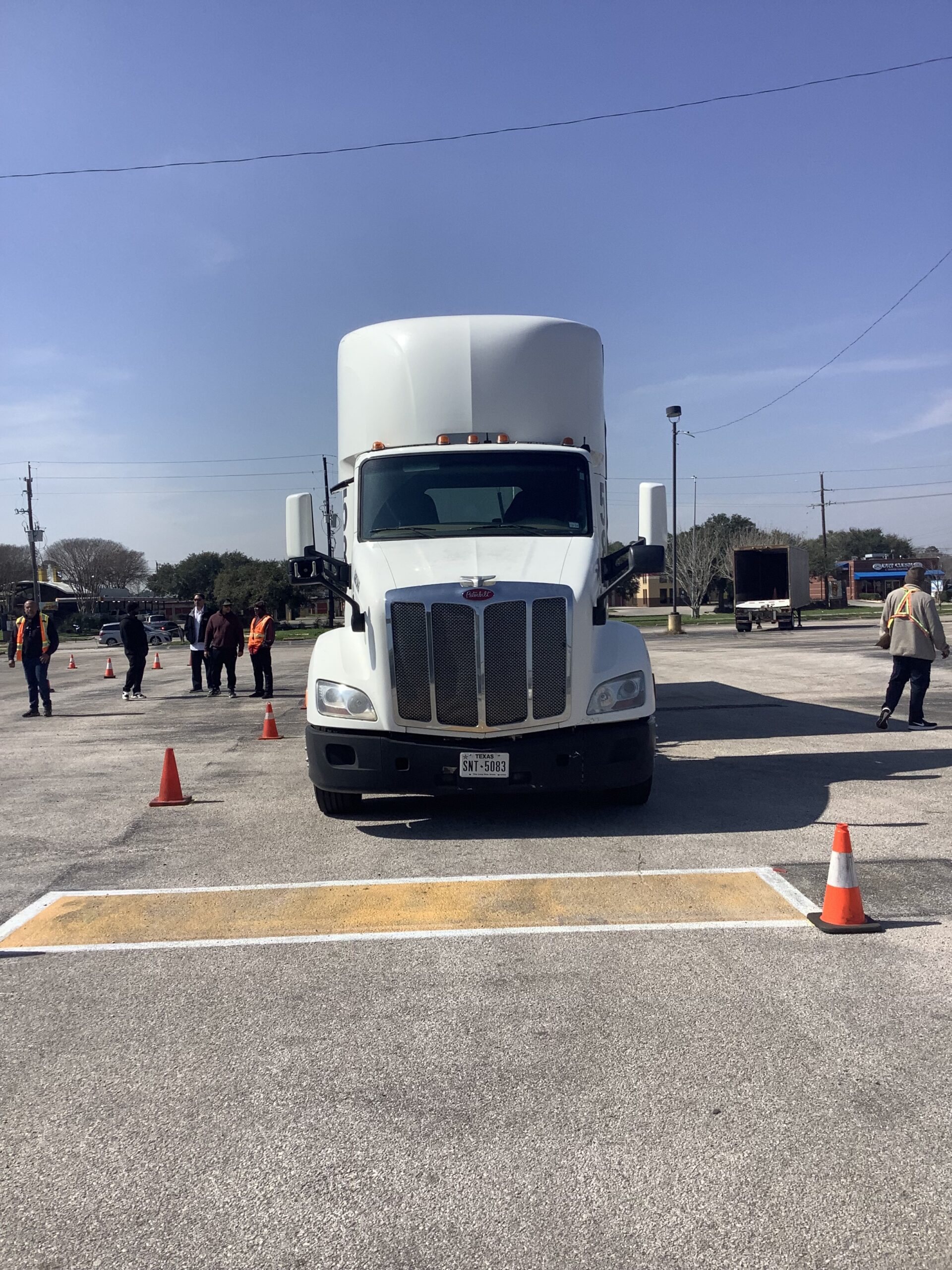
Drivers must understand their vehicles, inspect equipment, operate safely, manage their hours, follow applicable regulations, and make responsible decisions on the road.
That’s why choosing a quality truck driving school matters.
At S & R Truck Driving Institute (SRTDI), students receive training designed to help them develop the knowledge, practical skills, and confidence needed to enter the transportation industry.
Training focuses on areas such as:
- Commercial vehicle knowledge
- Safety procedures
- Pre-trip inspections
- Vehicle control
- Maneuvering
- Road driving
- Professional driving habits
- Hands-on practice
- CDL preparation
- Career readiness
Our programs include Class A and Class B CDL training, with manual and automatic transmission training options.
Why Choose S & R Truck Driving Institute?
Choosing a truck driving school is an important first step in your career journey.
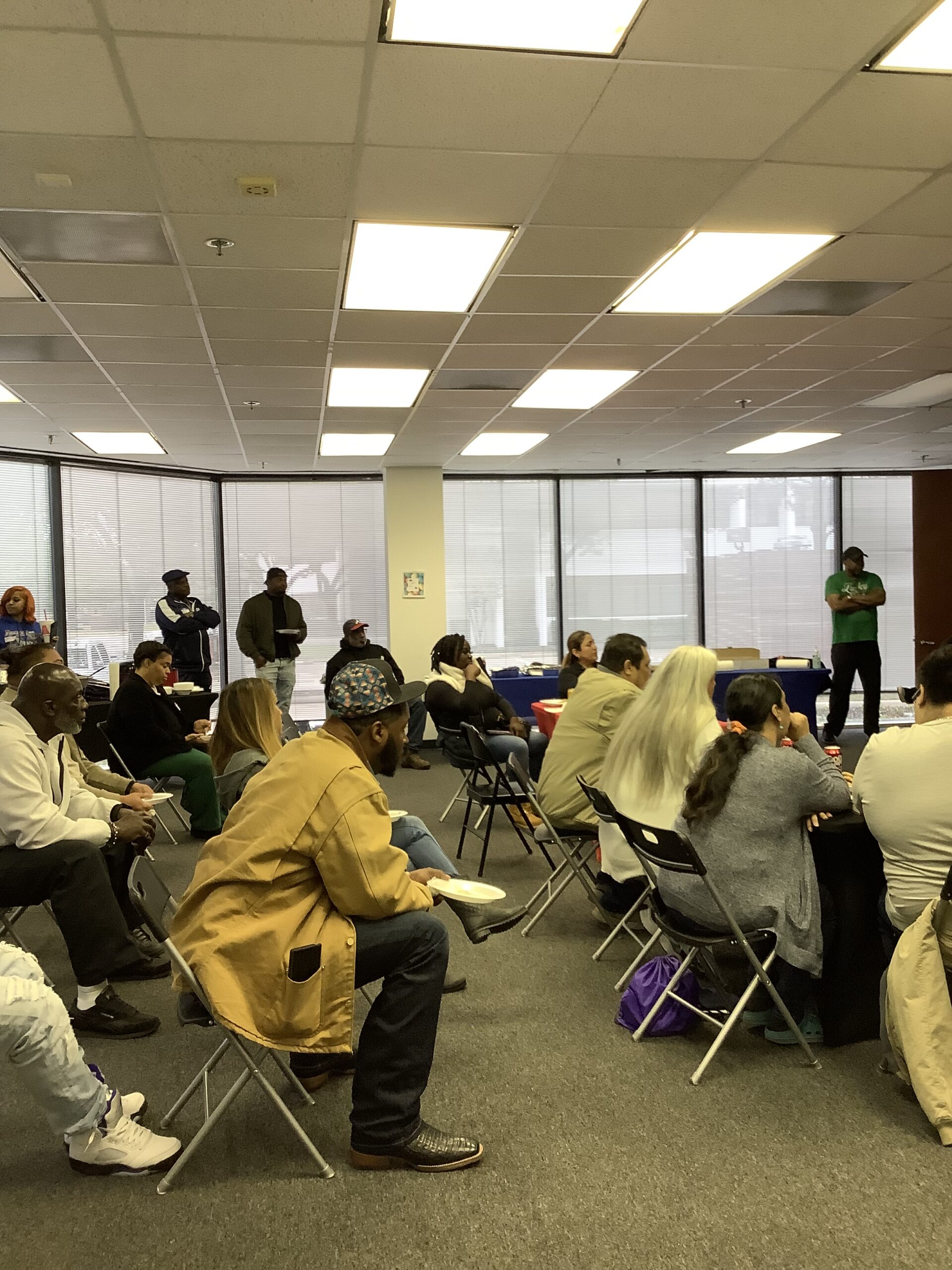
At S & R Truck Driving Institute, we believe students should have an opportunity to learn in a structured, supportive, and hands-on environment.
You can ask questions.
You can practice.
You can learn from instructors.
You can develop your confidence.
And you can begin preparing for the responsibilities that come with becoming a professional commercial driver.
The goal isn’t simply to put you behind the wheel.
The goal is to help you prepare for the road ahead.
Your Transportation Career Could Be Bigger Than You Think
Imagine starting with a CDL and eventually building experience in the area of transportation that fits your goals.
You could begin with local driving.
Then move into regional transportation.
Then explore specialized freight.
You could pursue additional endorsements.
You could explore dedicated routes.
You could eventually investigate owner-operator opportunities.
Or you could use your transportation experience as a foundation for leadership and other opportunities within the industry.
Your career path is yours to build.
The first step is getting started.
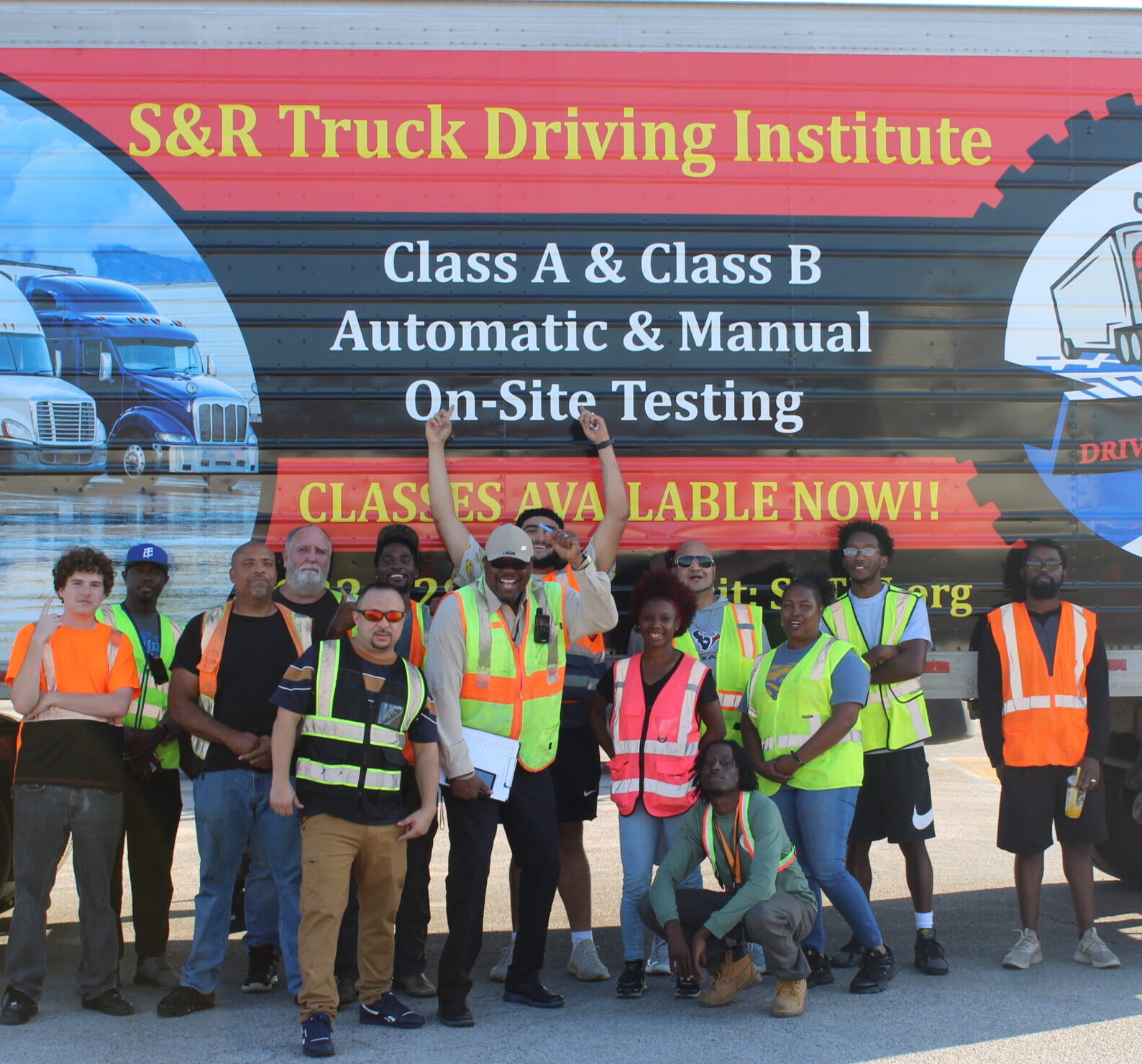
Don’t Just Think About Trucking. Come See What Your Future Could Look Like.
If you’ve been researching:
“How do I get my CDL?”
“What can I do with a Class A CDL?”
“Is truck driving a good career?”
“How much can truck drivers make?”
“Where can I go with a CDL?”
Then it’s time to stop researching from the sidelines and take the next step.
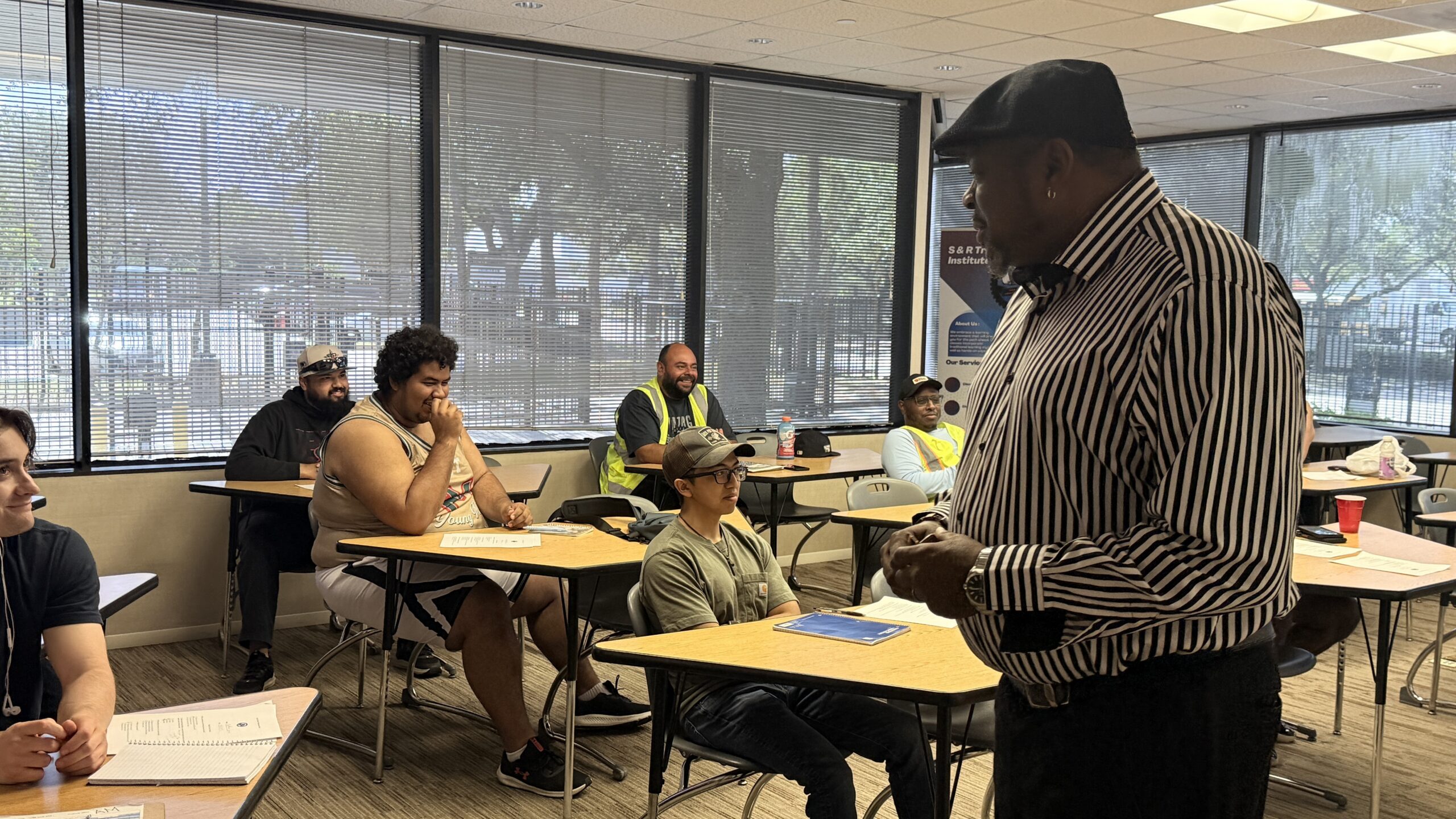
BOOK A TOUR AT S & R TRUCK DRIVING INSTITUTE
Come visit S & R Truck Driving Institute and see the training environment for yourself.
Talk with our team.
S & R Truck Driving Institute
350 Glenborough Drive, Suite 100
Houston, TX 77067