Introduction: Safe Driving Starts Before You Get Behind the Wheel
Are you thinking about becoming a professional truck driver? Whether you are changing careers, entering the workforce, or exploring new opportunities in transportation, one of the most important things you can do is start building safe driving habits now.
Driving a commercial motor vehicle requires more than learning how to operate a truck. Professional drivers must understand vehicle inspections, road awareness, defensive driving, traffic laws, and the responsibility that comes with sharing the road with others.
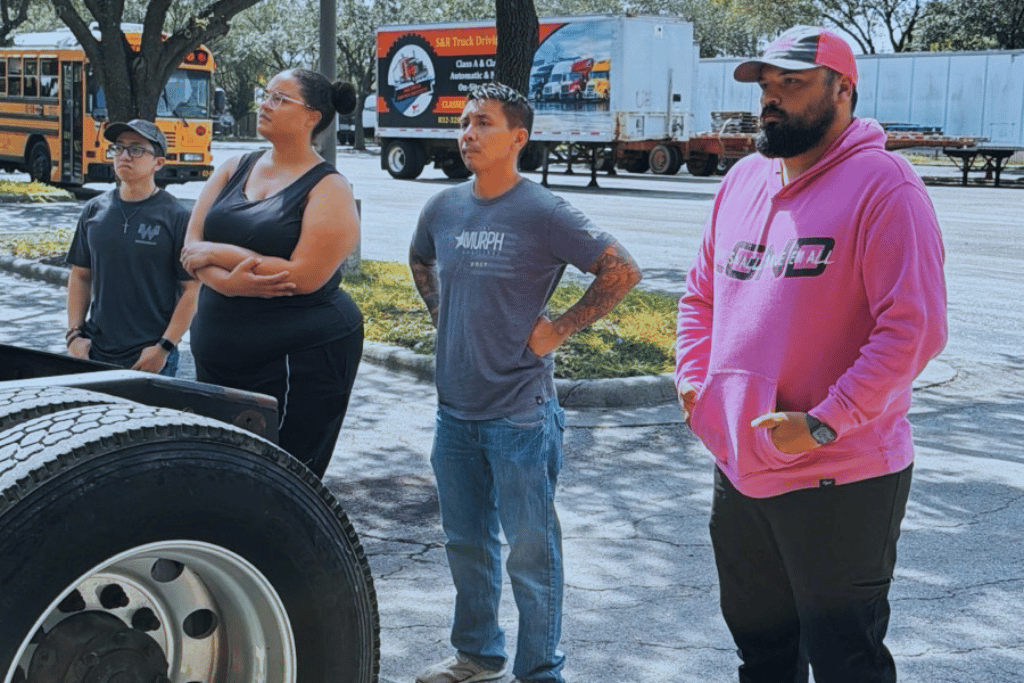
At S & R Truck Driving Institute (SRTDI), we believe that developing safe driving habits begins during training. The habits you practice in the classroom and behind the wheel can help prepare you for the responsibilities of a professional driving career.
The goal is not simply to earn your Commercial Driver’s License (CDL). It is to develop the knowledge, discipline, and judgment needed to operate a commercial vehicle responsibly.
1. Make Safety Your First Priority
One of the most important safe truck driving habits is putting safety ahead of speed, convenience, or pressure.
Commercial drivers operate large vehicles that require more space to stop, wider turning paths, and greater awareness of surrounding traffic. A decision that seems small in a passenger vehicle can have serious consequences when operating a commercial truck.
Start developing a safety-first mindset by:
- Following traffic laws and posted speed limits.
- Maintaining a safe following distance.
- Adjusting your driving for weather, visibility, traffic, and road conditions.
- Avoiding distractions while driving.
- Never driving while fatigued or impaired.
- Following your employer’s safety procedures and applicable regulations.
Remember: Being a professional driver means making responsible decisions even when nobody is watching.
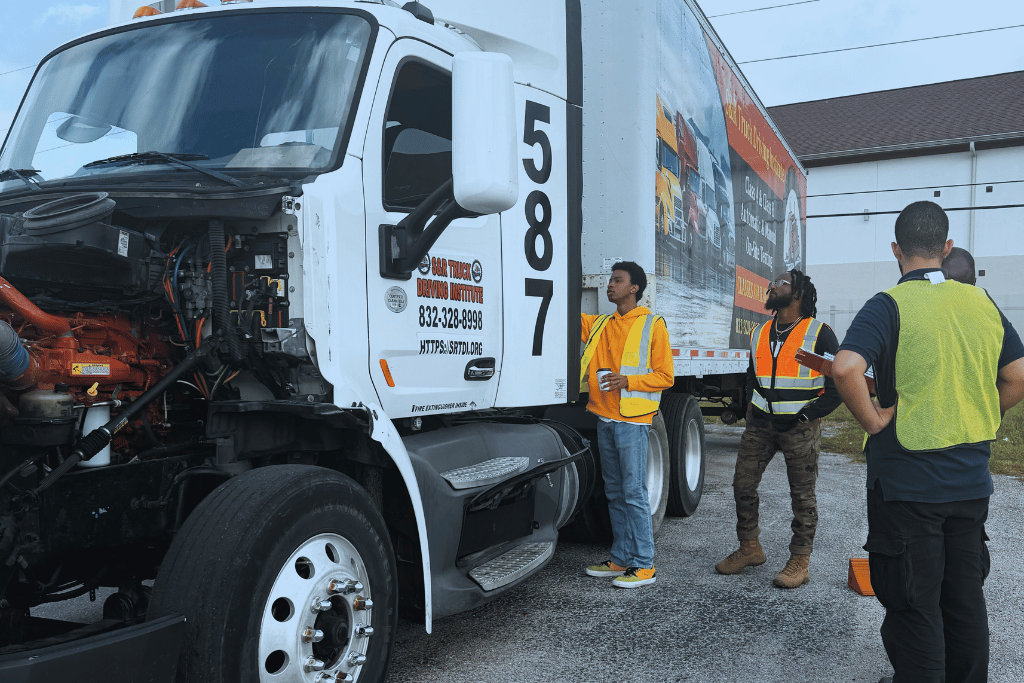
2. Learn to Perform a Thorough Pre-Trip Inspection
A pre-trip inspection is an essential part of commercial truck safety. Drivers must understand how to identify potential problems before operating a vehicle.
During CDL training, students learn how to inspect important components and recognize conditions that may affect safe operation.
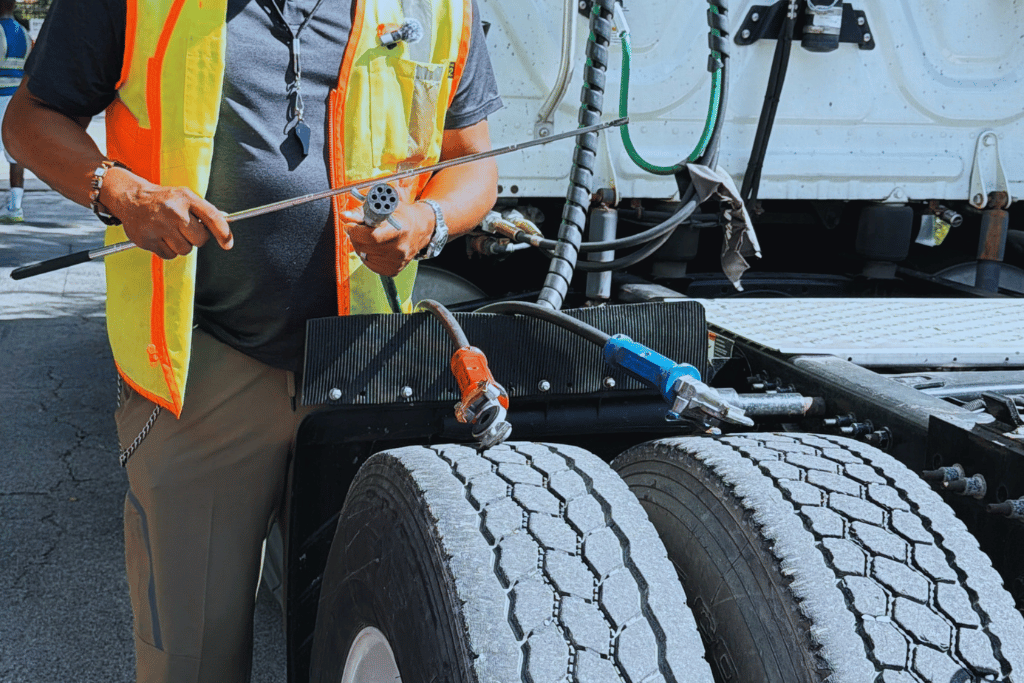
Depending on the vehicle and applicable inspection requirements, these checks can include:
- Tires, wheels, and rims.
- Brakes and brake components.
- Lights, reflectors, and signals.
- Mirrors, windshield, and wipers.
- Steering and suspension components.
- Coupling systems on applicable vehicles.
- Emergency equipment and required safety items.
- Visible fluid leaks and other potential defects.
Do not treat an inspection as a task to rush through just to get on the road. Take the time to understand what you are checking, why it matters, and how to report defects properly.
If you identify a condition that could make the vehicle unsafe, follow the required procedures and do not operate the vehicle until the issue has been appropriately addressed.
Tip for future CDL students: Practice your inspection sequence, learn the correct terminology, and ask your instructor to clarify anything you do not understand.
3. Practice Defensive Driving Every Day
Defensive driving means anticipating potential hazards and taking reasonable steps to reduce risk before a dangerous situation develops.
Professional truck drivers must pay attention to more than the vehicle directly in front of them. They need to monitor traffic patterns, surrounding vehicles, intersections, road conditions, and potential hazards.
Build defensive driving habits by:
- Scanning the road ahead and checking your mirrors regularly.
- Maintaining enough space to respond to sudden changes.
- Anticipating that other drivers may make unexpected decisions.
- Reducing speed when conditions require it.
- Planning lane changes and turns early.
- Avoiding aggressive driving and unnecessary maneuvers.
- Recognizing when stopping or delaying a trip is the safer choice.
Defensive driving is not about predicting every possible danger. It is about staying alert, recognizing risks, and giving yourself enough time and space to respond safely.
4. Eliminate Distractions Behind the Wheel
Distractions can take your attention away from driving, even when they seem harmless.
Looking at a phone, adjusting devices, eating, or focusing on something outside the driving task can reduce your awareness of changing road conditions.
Develop these habits before entering the trucking industry:
- Set up navigation and necessary controls before moving.
- Put your phone away and follow applicable restrictions on mobile-device use.
- Avoid activities that take your hands, eyes, or attention away from driving.
- Pull over in a safe, legal location when you need to address something that cannot wait.
- Keep your cab organized so you can focus on operating the vehicle.
A few seconds of inattention can make a difference. Build the habit of giving driving your full attention.
5. Understand Fatigue and Know When to Stop
Long hours, irregular schedules, and demanding routes can make fatigue a serious concern for commercial drivers.
Fatigue can affect reaction time, decision-making, concentration, and awareness. Professional drivers must recognize the signs and take appropriate action.
Watch for warning signs such as:
- Frequent yawning or heavy eyelids.
- Difficulty concentrating.
- Missing road signs or exits.
- Drifting from your lane.
- Delayed reactions.
- Trouble remembering the last few miles traveled.
Build healthy routines around sufficient sleep, appropriate rest breaks, and realistic trip planning. Follow applicable hours-of-service requirements and never rely on caffeine alone to overcome fatigue.
If you become too tired to drive safely, stop in a safe location and take the appropriate steps to rest.
Your safety and the safety of others are more important than reaching a destination on time.
6. Master Turns, Backing, and Space Management
Operating a commercial truck requires an understanding of the vehicle’s size, turning radius, blind spots, and stopping distance.
New drivers may need additional time and practice to develop confidence with maneuvers. That is normal. The important thing is to learn the correct techniques instead of rushing.
During training, focus on:
- Understanding your vehicle’s blind spots.
- Making turns with appropriate clearance.
- Using mirrors correctly.
- Controlling speed and positioning during maneuvers.
- Backing slowly and following the procedures taught by your instructor.
- Stopping to reassess when you are uncertain about your surroundings.
- Using a qualified spotter when appropriate and communicating clearly.
Never allow embarrassment or pressure to make you continue a maneuver when you are unsure it is safe.
Practice, patience, and instructor feedback can help you improve your skills over time.
7. Take Your CDL Training Seriously
CDL training is your opportunity to develop the knowledge and habits that will support your professional driving career.
Students who attend consistently, participate in lessons, ask questions, and take feedback seriously give themselves more opportunities to learn and improve.
To make the most of your training:
Maintain good attendance. Arrive on time and stay engaged throughout your scheduled training.
Ask questions. If a procedure or safety concept is unclear, ask your instructor for guidance.
Practice consistently. Use instructor-supervised practice opportunities to strengthen your skills.
Accept feedback. Corrections are part of the learning process and can help you identify areas for improvement.
Prepare for each session. Review your notes and familiarize yourself with the skills you will be practicing.
Remember, the purpose of training is not simply to pass a test. It is to build competence and prepare for the real responsibilities of operating a commercial motor vehicle.
8. Develop Professional Habits Beyond Driving
Safe truck driving also depends on your conduct and decisions outside the driver’s seat.
Employers may look for drivers who demonstrate reliability, communication, accountability, and respect for safety procedures.
Start building these professional habits while you are still in school:
- Communicate respectfully with instructors, classmates, and staff.
- Arrive prepared and follow directions.
- Take responsibility for mistakes and learn from them.
- Maintain organized records and required documentation.
- Follow workplace rules and safety policies.
- Continue learning about industry expectations and regulatory changes.
Professionalism is demonstrated through consistent actions. Developing these habits early can help you prepare for employment and the expectations of the trucking industry.
9. Keep Learning After You Earn Your CDL
Earning your CDL is a significant achievement, but it does not mark the end of your learning.
Drivers encounter different vehicles, routes, weather conditions, cargo requirements, and workplace procedures throughout their careers. Continuing education and a willingness to learn can help drivers adapt responsibly.
After completing your training:
- Review your employer’s safety policies.
- Stay informed about applicable commercial driving regulations.
- Ask questions when you encounter unfamiliar equipment or procedures.
- Learn from qualified, experienced drivers.
- Participate in required safety training.
- Continue reviewing safe driving practices and correcting unsafe habits.
A strong professional driver understands that learning and improvement are ongoing responsibilities.

Why Choose S & R Truck Driving Institute for CDL Training?
If you are ready to explore a career in trucking, choosing a training program that emphasizes knowledge, practical skills, and safety is an important first step.
S & R Truck Driving Institute in Houston, Texas, provides CDL training opportunities for individuals preparing to enter the commercial driving industry.
Our training programs offer opportunities to learn about commercial vehicle operation and develop practical skills under instruction. Available training options include Class A manual and automatic transmission training, as well as Class B manual and automatic training.
As you explore your options, consider what you need from a training program, ask questions, and learn more about the instruction and support available to you.
You do not have to know everything before you begin. What matters is being willing to learn, practice, and take your responsibilities seriously.
Frequently Asked Questions About Safe Truck Driving Habits
What are the most important safe truck driving habits?
Important habits include performing thorough pre-trip inspections, maintaining safe following distances, scanning the road, managing speed, avoiding distractions, recognizing fatigue, and following applicable safety regulations.
Why are pre-trip inspections important for CDL drivers?
Pre-trip inspections help drivers identify vehicle defects or unsafe conditions before operating a commercial motor vehicle. Drivers should understand the applicable inspection requirements and follow proper procedures for reporting and addressing defects.
How can new truck drivers become more confident?
New drivers can build confidence through consistent practice, instructor feedback, knowledge of vehicle systems, careful preparation, and a willingness to ask questions. Confidence should develop alongside demonstrated skill and sound safety judgment.
How can CDL training help students develop safe driving habits?
CDL training provides structured instruction and opportunities to practice commercial vehicle operation, inspections, and driving maneuvers. Students can strengthen their habits by attending consistently, following instructions, asking questions, and applying feedback.
Where can I find CDL training in Houston, Texas?
Individuals interested in commercial driving can contact S & R Truck Driving Institute to learn about available CDL training programs, scheduling, enrollment requirements, and opportunities to visit the school.
Take the First Step Toward Your CDL Career
You do not have to wait until your first day behind the wheel to start becoming a safer driver. You can begin today by improving your awareness, practicing responsible driving habits, learning about commercial vehicle safety, and taking your training seriously.
Every inspection you learn, every question you ask, and every safe decision you practice helps you prepare for the responsibilities of professional driving.
If you are considering a career in trucking, S & R Truck Driving Institute is ready to help you explore your CDL training options.
Visit our website to learn more, contact our team with your questions, or schedule a visit to see the school and discuss your goals.
Your future in trucking starts with preparation. Build safe habits now and take the next step toward your CDL.
S & R Truck Driving Institute
350 Glenborough Drive, #100
Houston, TX 77067
CALL US (832) 328-8998